Ideas are better when we think about them together.
I have spent most of my professional life in rooms full of people thinking together: classrooms, conference halls, teacher workshops, boardrooms, student seminars, and occasionally around very long tables with very strong coffee.
My work asks a question that has become increasingly urgent:
What kinds of educational experiences form human beings capable of self-government?
That question takes us beyond civics alone. It opens conversations about education, human formation, judgment, technology, disagreement, association, agency, and the institutions that help free people flourish.
I speak with educators, civic leaders, philanthropists, policymakers, students, and organizations trying to think seriously about those questions.
What I Speak About
Educating for Self-Government
We often teach self-government through its structures: constitutions, elections, federalism, rights. Those things matter. But institutions of self-government ultimately depend upon people capable of governing themselves.
What does it take to form judgment, responsibility, civic virtue, agency, and the ability to live and work with people who disagree with us? And what would education look like if we treated those capacities as central rather than incidental?
Possible talks
- Beyond Civic Knowledge: Educating for Self-Government
- The Pedagogy of a Free Society
- What Is Education For?
- Civic Formation in an Age of Uncertainty
Learning to Live With Other People
A free society asks something difficult of us. We have to remain individuals while learning how to live together.
That requires more than tolerance. It requires practice: arguing, listening, revising our thinking, making judgments, taking responsibility, joining things, building things, and solving problems alongside other people.
My work explores the art and science of association and the educational experiences through which we learn it.
Possible talks
- Why Arguing With Teenagers Is Your New Civic Duty
- The Art and Science of Association
- From Classroom to Community
- Learning to Disagree
Human Formation in the Age of AI
Artificial intelligence raises enormous questions for schools. Some of the most important have little to do with cheating.
What happens to judgment when information becomes abundant? What happens to intellectual independence when machines become extraordinarily good at helping us think? What happens to human relationships when technology can simulate some of their functions?
I am interested in what AI reveals about a much older question: What parts of becoming human can education outsource, and what must we practice for ourselves?
Possible talks
- AI and the Future of Human Formation
- The Imaginary Audience Became Real
- What Should Humans Still Learn to Do?
- Education for Freedom in the Age of AI
Civic Agency, Hope, and the Things We Build Together
Civil society can sound abstract. Mostly, it is people doing things together.
Joining an organization. Starting something. Helping a neighbor. Building a school. Coaching a team. Creating a business. Solving a local problem because you have decided it is partly yours to solve.
I speak about how schools and civic institutions can cultivate that sense of agency, and why hope in a free society grows from the experience of discovering that I can contribute.
Possible talks
- Civic Agency: From Knowing to Doing
- America Begins Three Houses Down
- Civil Society Is a Verb
- Hope Through Participation
In the Room
I don’t particularly enjoy being talked at, so I try not to do it to other people.
My best sessions combine ideas, stories, evidence, questions, and genuine conversation. Depending on the setting, that might mean a keynote, a facilitated discussion, an interactive workshop, a seminar, a panel, or a room full of people working through a difficult question together.
The goal is not simply for people to leave knowing more.
I want them to leave thinking differently, asking better questions, and more capable of doing something with what they have learned.
Selected Speaking
Over the past decade, I have delivered more than 200 keynotes, conference sessions, professional-learning programs, workshops, and public conversations in the United States and internationally.
Recent and selected topics include civic formation and self-government, experiential civic learning, student civic agency, education and AI, civil society and association, productive disagreement, civic virtue, and the future of civic education.
Recent engagements include international work in Hannover on “Beyond Civic Knowledge: Educating for Self-Government in an Age of Uncertainty,” as well as national convenings and conferences focused on civic education, history, rural education, experiential learning, and educational innovation.
About Rachel
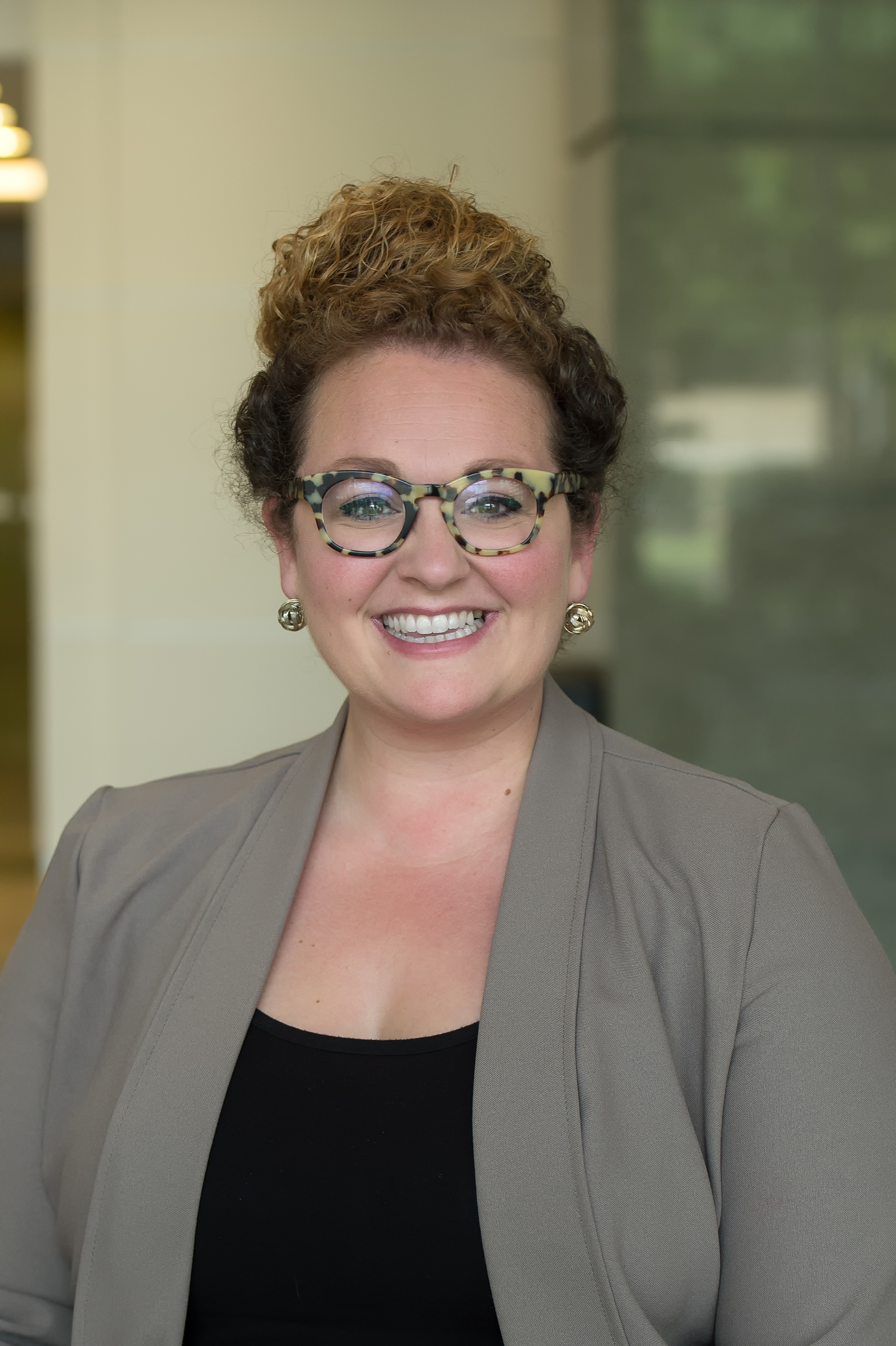
Rachel Davison Humphries is a civic educator, writer, researcher, and learning designer whose work explores how education forms people capable of living in a free society.
She serves as Senior Director of Civic Learning at the Bill of Rights Institute, where she leads strategy, research, and thought leadership and has helped develop national initiatives in civic education and youth civic engagement. She has spent more than fifteen years working across education, philanthropy, social innovation, and organizational strategy.
Her writing and speaking explore civic formation, self-government, human flourishing, judgment, agency, association, and the changing relationship between education and technology.
She holds a B.A. in Liberal Arts from St. John’s College and an M.A. in Learning, Design & Technology from Georgetown University.
Bring Rachel Into the Conversation
I speak to schools, universities, foundations, civic organizations, conferences, leadership teams, and other groups wrestling with questions about education, citizenship, technology, and human flourishing.
If one of those questions belongs in a room you are convening, I’d love to hear what you’re thinking about.


